2025
New York
Representation, Story & Communication
The project that gave me language for this direction was a research job.
From April 2025 to April 2026, I worked with Dr. Esteban Gomez archiving and analyzing posts from two government accounts across Instagram, X, and Facebook, studying how immigration was framed for young audiences. The dataset covered about seven months of posts. For a long time the work felt mechanical: collect, categorize, count. Then a gap started bothering me. Immigration was being discussed constantly, and almost never as lived experience. Real people showed up in these posts as rhetoric, as memes, as arguments, as political subjects. Rarely as complete people. I didn't have the vocabulary for why that bothered me until Museums and Public Culture asked the question directly: who gets represented, who decides, and who benefits from the telling?
That course also handed me the complication I still carry. I want research to leave the university. I think photography, maps, exhibits, and reporting are how complicated realities travel to the people they concern. And I know, from the same training, that public communication can flatten people into examples if the communicator isn't careful. Holding both of those at once is uncomfortable. I think it's supposed to be.
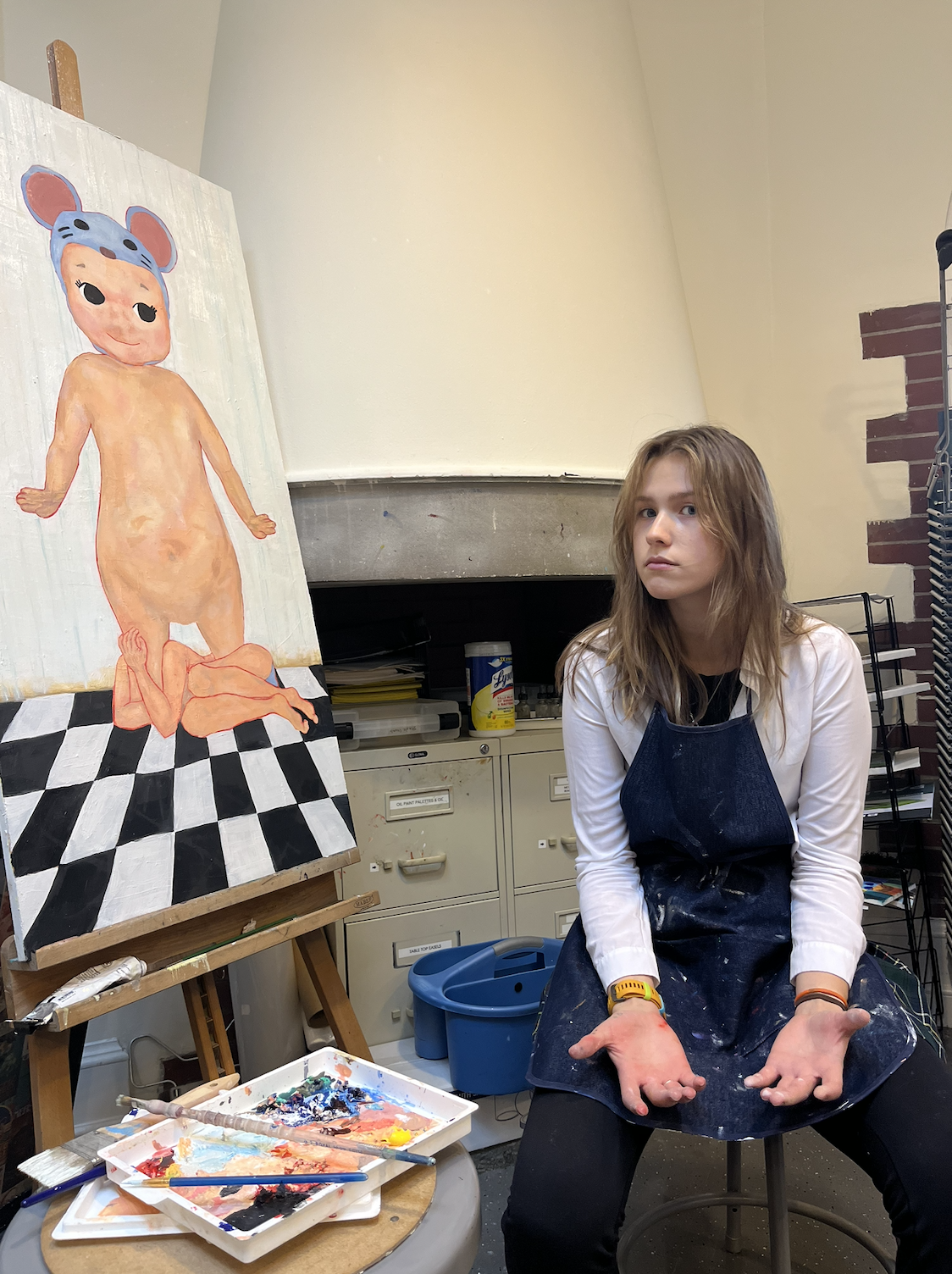
The exhibits I've made come from the personal side of the same instinct. Blind Boxes, Clear Memories used Sonny Angel figures from my own collection, each paired with a story about childhood, siblings, my mother, memory, and grief. The point was never exhibition technique. It was getting to share something of myself with strangers and have them understand it. That's the simplest version of what I want public communication to do.
The version of this work I respect, and the version I want to practice, reports carefully, gives context, and treats people as experts on their own lives. It travels upward toward decision makers without becoming unrecognizable to the people it came from. That standard is easier to state than to meet, which is exactly why it needs stating.